Roof Flashing: The Small Details That Help Prevent Leaks
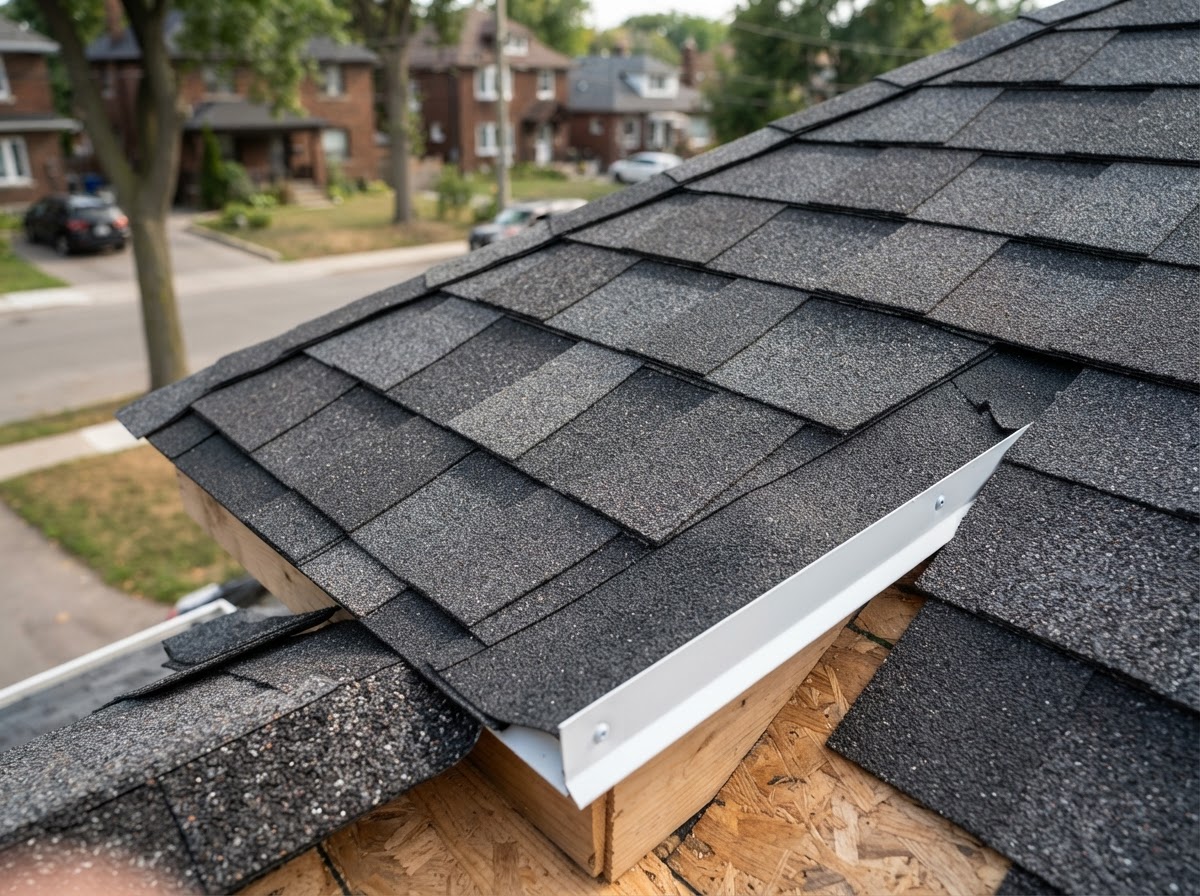
Flashing is the metal and membrane that seals the joints where your roof meets walls, chimneys, valleys, and penetrations. It's small, often invisible, and the source of most roof leaks.
What flashing does
Flashing directs water away from vulnerable joints and penetrations. Without proper flashing, water runs under shingles at every roof intersection and enters your home.
Step flashing interweaves with shingles along walls and chimneys; valley flashing carries water down roof intersections; vent and skylight flashing seals penetrations.
Common flashing failures
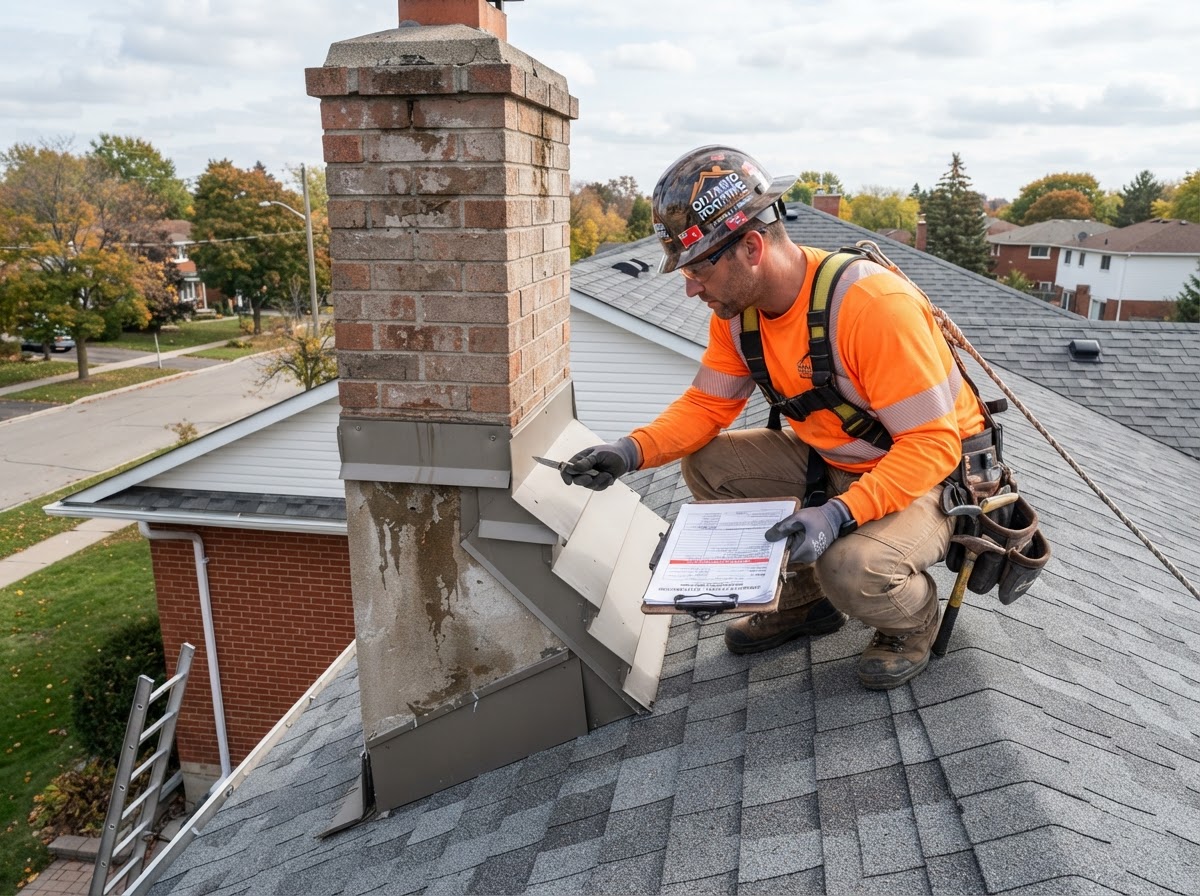
Flashing fails when sealants dry out, metal corrodes, or fasteners loosen. Step flashing can pull away from walls, and chimney mortar joints crack over time. Skylight curb flashing is a frequent leak source.
These failures develop slowly and are easy to miss from the ground.
Why flashing matters during replacement
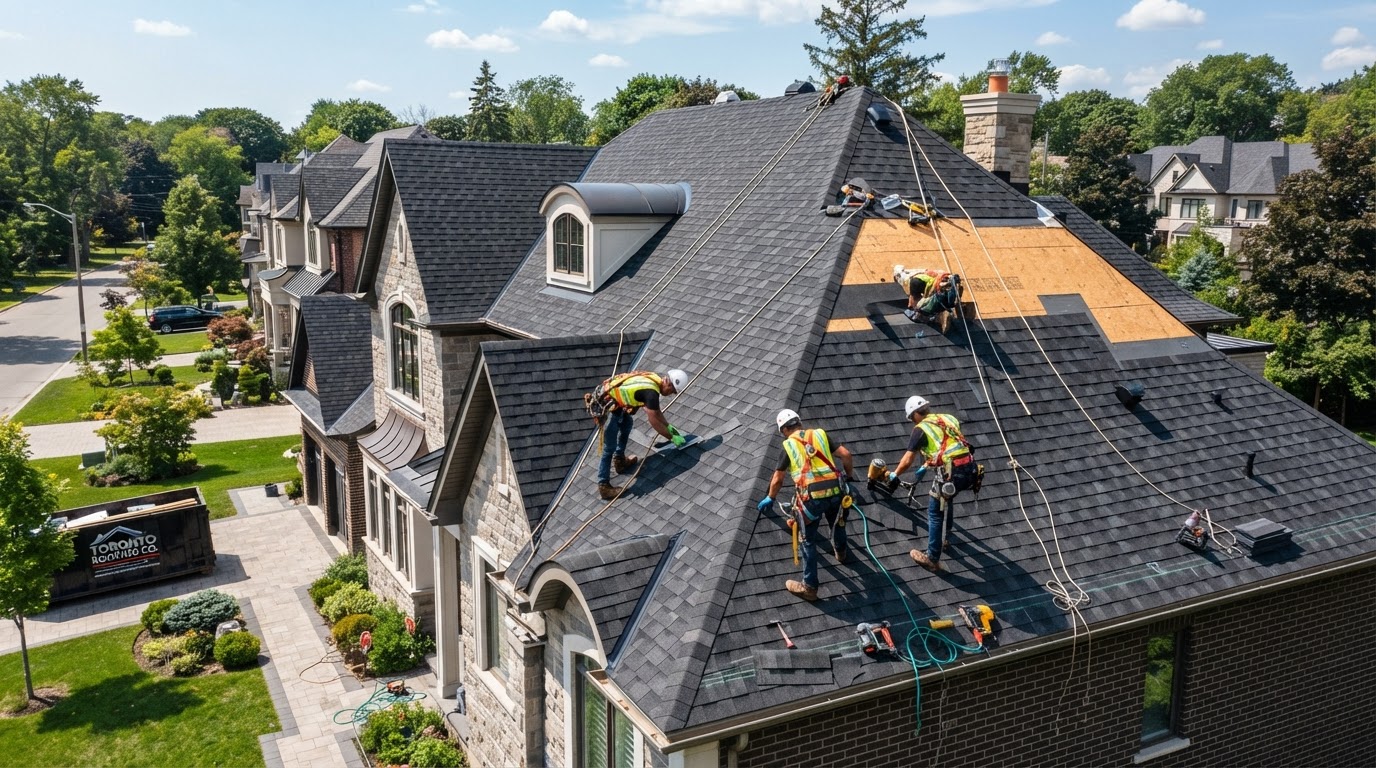
During a roof replacement, all flashing should be inspected and replaced as needed. Reusing old, corroded flashing on a new roof is a common cause of early leaks.
New, properly detailed flashing is one of the most important parts of a lasting replacement.
Inspecting flashing regularly
Flashing should be part of every roof inspection and maintenance visit. Catching a failed sealant or lifted flashing early prevents interior damage.
If you have recurring leaks near a chimney, wall, or skylight, flashing is the likely culprit.
Related Services
Service Locations
Frequently Asked Questions
How long does roof flashing last?
Quality metal flashing can last as long as the roof, but sealants and fasteners degrade and need maintenance.
Why does my roof leak near the chimney?
Chimney leaks are usually step flashing or mortar joint failures, not the shingles. An inspection confirms the source.
Have a roofing question?
Our Toronto team answers roofing questions and provides written estimates across the GTA.